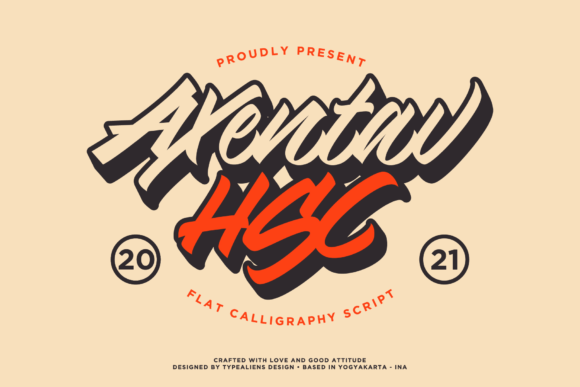
Axentav HSC for Bold Web Typography
Axentav HSC is a premium handwritten font that brings a sense of confidence and creativity to digital projects. As a web designer, I've found it particularly useful for creating visual impact in headers, logos, and brand-focused content. Its dynamic strokes and nostalgic feel make it stand out in modern design environments.
Visual Characteristics and Style
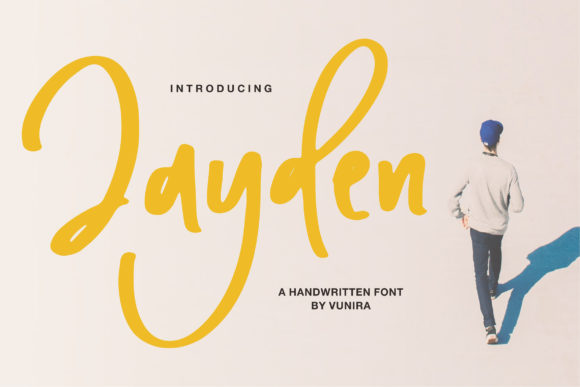
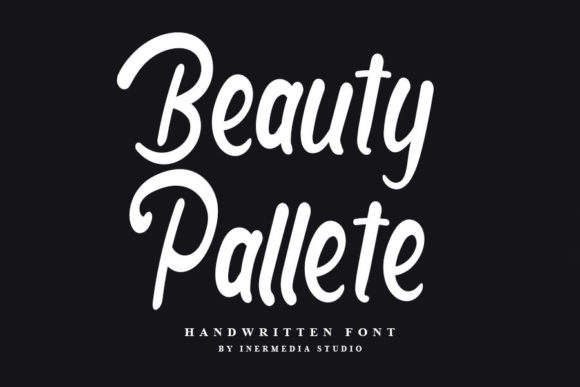
This script font has a bold and expressive character, with fluid lines that mimic natural handwriting. It's not overly ornate but carries enough personality to make statements without overwhelming the viewer. The letterforms are well-balanced, ensuring readability even at smaller sizes.
The Axentav HSC typeface has a strong presence that works well for headlines, titles, and branding elements. Its unique style can help differentiate your website from competitors while maintaining a professional tone.
Applying Axentav HSC in Web Design
When designing a creative portfolio or boutique online store, using Axentav HSC for hero sections or call-to-action buttons can draw attention effectively. It adds a personal touch that resonates with users looking for authenticity.
In landing pages and course sales pages, this font can be used for section headings and promotional banners. It helps establish a visual hierarchy that guides users through the content effortlessly.
For coaching websites and blog headers, Axentav HSC provides a warm and approachable feel. It complements content that aims to inspire or educate by reinforcing the message with a visually engaging typographic choice.
Readability and Responsiveness
While Axentav HSC is a display font, it performs well on mobile screens when used appropriately. For small buttons or short phrases, it maintains legibility without sacrificing style. When pairing with body text, I recommend using a clean sans serif font like Helvetica or Arial to ensure contrast and clarity.
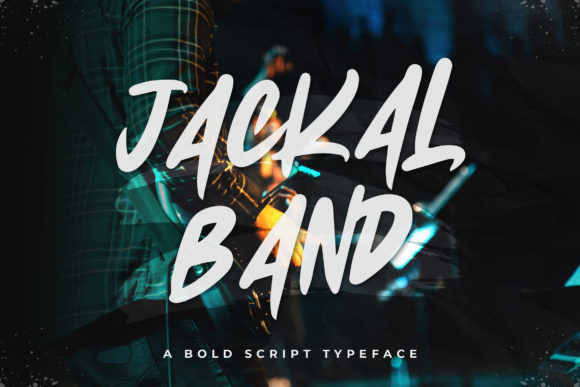
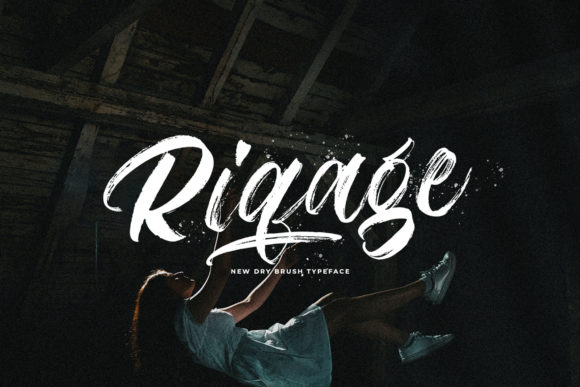
On dark backgrounds or image overlays, Axentav HSC remains visible due to its strong stroke weight. This makes it suitable for use in banners, social media graphics, and other visual elements where visibility is crucial.
Font Pairing and Brand Identity
Pairing Axentav HSC with a simple sans serif font enhances readability and creates a balanced look. This combination works well for editorial designs, packaging concepts, and digital brand kits that require both elegance and clarity.
Using a serif font alongside Axentav HSC can create a more traditional or editorial feel, which might suit a blog or magazine-style website. However, always consider the overall brand identity and target audience when making these choices.
Practical Usage Examples
For a creative portfolio site, I'd suggest using Axentav HSC as the main font for project titles and navigation links. It adds a personal flair that reflects the designer's unique style.
In an online store, applying this font to product banners or promotional headlines can enhance visual appeal. It helps convey a sense of exclusivity and craftsmanship associated with boutique brands.
On a coaching website, Axentav HSC can be used for headlines and taglines to communicate authority and approachability. It supports the message by reinforcing trust and professionalism through thoughtful typography.
Commercial Licensing and File Formats
Before implementing Axentav HSC on client projects or online stores, ensure you have the appropriate commercial license. This includes websites, landing pages, digital templates, and brand assets that require extended usage rights.
Check if the font comes with webfont availability, alternate characters, and multilingual support. These features can influence how versatile the font is across different platforms and languages.
Having access to multiple weights and styles allows for greater flexibility in design. This means you can use the same typeface for various elements, from logos to supporting text, ensuring a cohesive visual identity.
As a digital product creator, selecting the right font like Axentav HSC plays a crucial role in shaping user experience and brand perception. It's about finding the balance between aesthetics and functionality, which ultimately drives engagement and conversions.